
For your Mind
Breathing
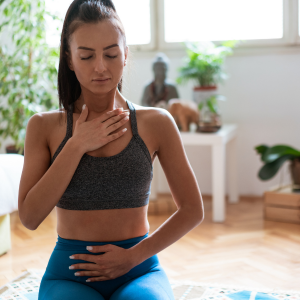
Breathing plays a crucial role in maintaining calmness and managing stress. When we feel stressed, our breathing pattern changes as part of the ‘fight-or-flight response.’ Anxious individuals tend to take small, shallow breaths using their shoulders rather than their diaphragm. This style of breathing disrupts the balance of gases in the body and can prolong feelings of anxiety. Abdominal Breathing: Shifting from upper chest breathing to abdominal breathing can help. Abdominal breathing involves using the diaphragm to move air in and out of the lungs. Deliberately copying a relaxed breathing pattern calms the nervous system, leading to lots of benefits including Lower Blood Pressure and Heart Rate, Reduced Stress Hormones, Improved Immune System Functioning, Increased Feelings of Calm and Well-Being. Taking a few moments to breathe mindfully can make a world of difference in maintaining calmness and managing stress
Challenge Irrational thoughts
When we experience irrational thoughts, our mind convinces us of things that are not necessarily true. Managing these thoughts can be challenging however when done successfully can play a critical role in managing stress.
Here’s how challenging irrational thoughts helps:
- Contextualizing Thoughts: By identifying and questioning irrational thoughts, we gain perspective.
- Detachment: When an irrational thought arises, we learn to detach from it. Instead of accepting it as fact, we recognize it as a passing thought.
Remember, challenging irrational thoughts empowers us to replace them with more rational viewpoints, contributing to better emotional regulation and overall mental health.
To effectively manage irrational thoughts involves identifying them, challenging their basis, and replacing them with more rational viewpoints. This process contributes to better emotional regulation and overall mental health.
Mindfulness and Meditation
Mindfulness and meditation both contribute to a heightened sense of awareness and staying present in the moment. Here’s how they facilitate a sense of calm, inner peace, and gratitude:
- Mindfulness: This popular meditation technique involves two main components: attention and acceptance. By tuning into your experiences and focusing on the present moment, you cultivate calm concentration. Observing feelings and sensations without judgment allows you to let go of reactive responses, promoting emotional stability and overall well-being1.
- Meditation: Whether through mindfulness-based stress reduction (MBSR) or mindfulness-based cognitive therapy (MBCT), meditation activates the relaxation response. It reduces stress hormones, leading to a calmer mind and an increased sense of self-worth. Regular practice enhances mental and physical health, fostering a serene state of being.
Remember, incorporating mindfulness and meditation into your routine can significantly enhance your sense of calm and overall quality of life!

Gratitude
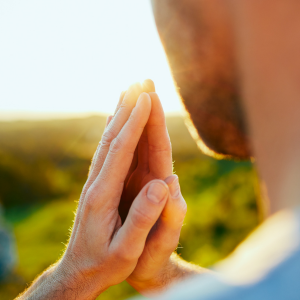
Practicing gratitude can significantly enhance our sense of calm and overall well-being. Here’s why:
- Positive Emotions: When we express appreciation for people, experiences, or things around us, we become more present and engaged. Focusing on the positive aspects of life alleviates anxiety and provides a sense of calm.
- Mindfulness and Presence: Gratitude shifts our mindset away from negative thoughts and worries. Instead, we acknowledge the goodness in our lives, fostering mindfulness and a deeper connection to the present moment.
- Improved Self-Esteem: Recognizing and appreciating what we have boosts our self-worth. Grateful individuals tend to feel more content and at peace with themselves
Incorporating gratitude into our daily routines can lead to a more positive, balanced, and fulfilling life experience and support the balance of healthy mind, healthy body.